dx4B
Positioned within the fintech landscape, the platform combines transactional functionality with scalable architecture, enabling institutions to offer services comparable to digital-native challengers
The objective was to introduce structural clarity and system-level consistency without restricting commercial flexibility or promotional agility


The objective
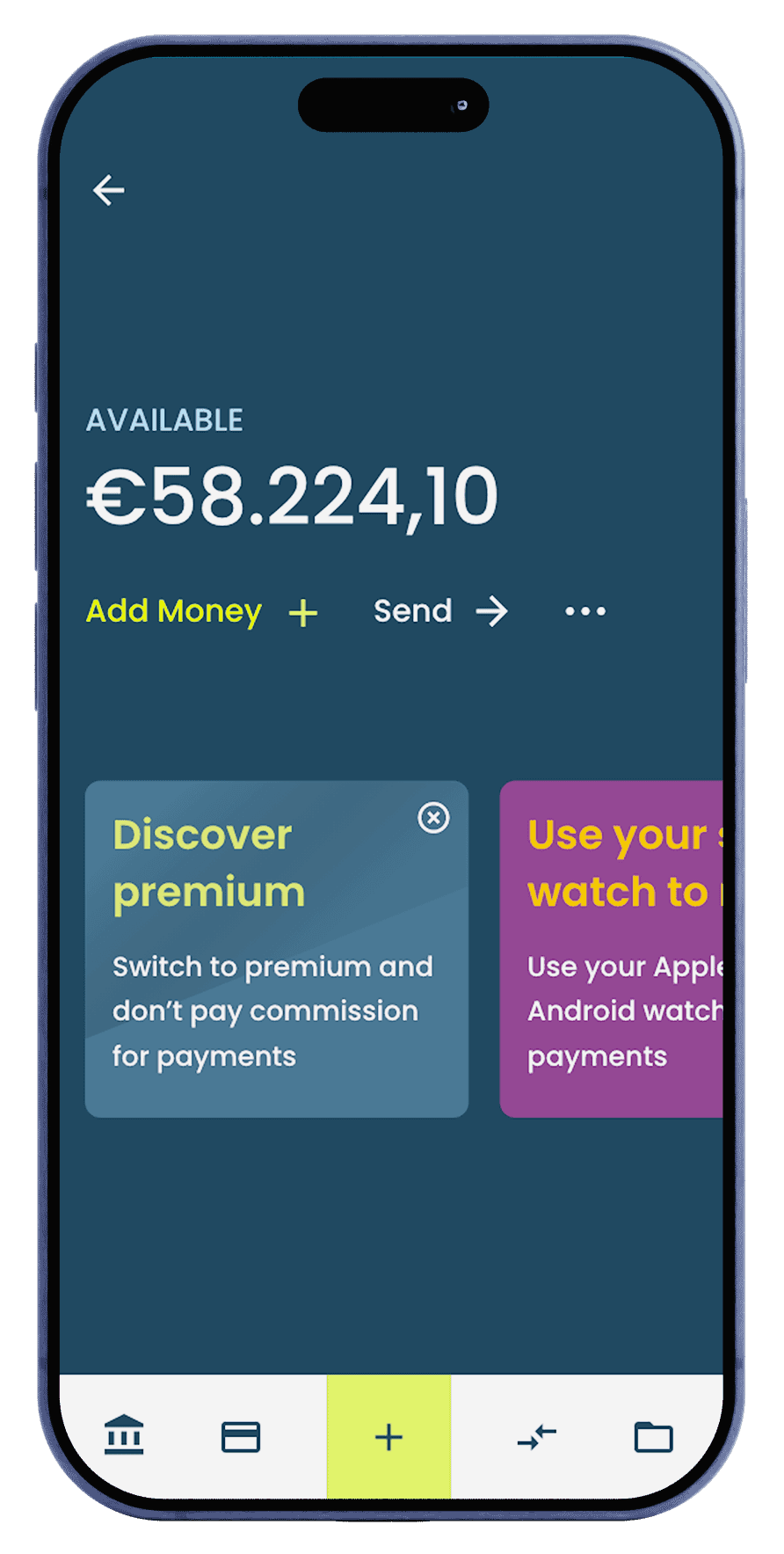
The objective was to design a clean, contemporary mobile experience that aligns with fintech expectations while maintaining the credibility and regulatory rigor required in banking environments.
What I focused on
Context and challenge
Traditional financial institutions face increasing pressure to match the usability standards set by fintech platforms such as Revolut and other digital-first competitors. However, unlike fintech startups, banks operate within complex regulatory, security, and legacy system constraints. The challenge was to create a user experience that feels modern and frictionless, while remaining robust, compliant, and adaptable to institutional needs.
Research and exploration
The exploration phase included competitive analysis of leading fintech and digital banking apps, focusing on onboarding flows, transaction visibility, card management, and financial insights. User behavior patterns were analyzed around: • irst-time onboarding expectations • Daily financial monitoring habits • Trust perception in digital banking • Mobile-first interaction standards Special attention was given to how fintech products reduce perceived complexity while handling inherently complex financial operations. Insights from this phase shaped the core UX principles: clarity, speed, transparency, and control.
Ideation
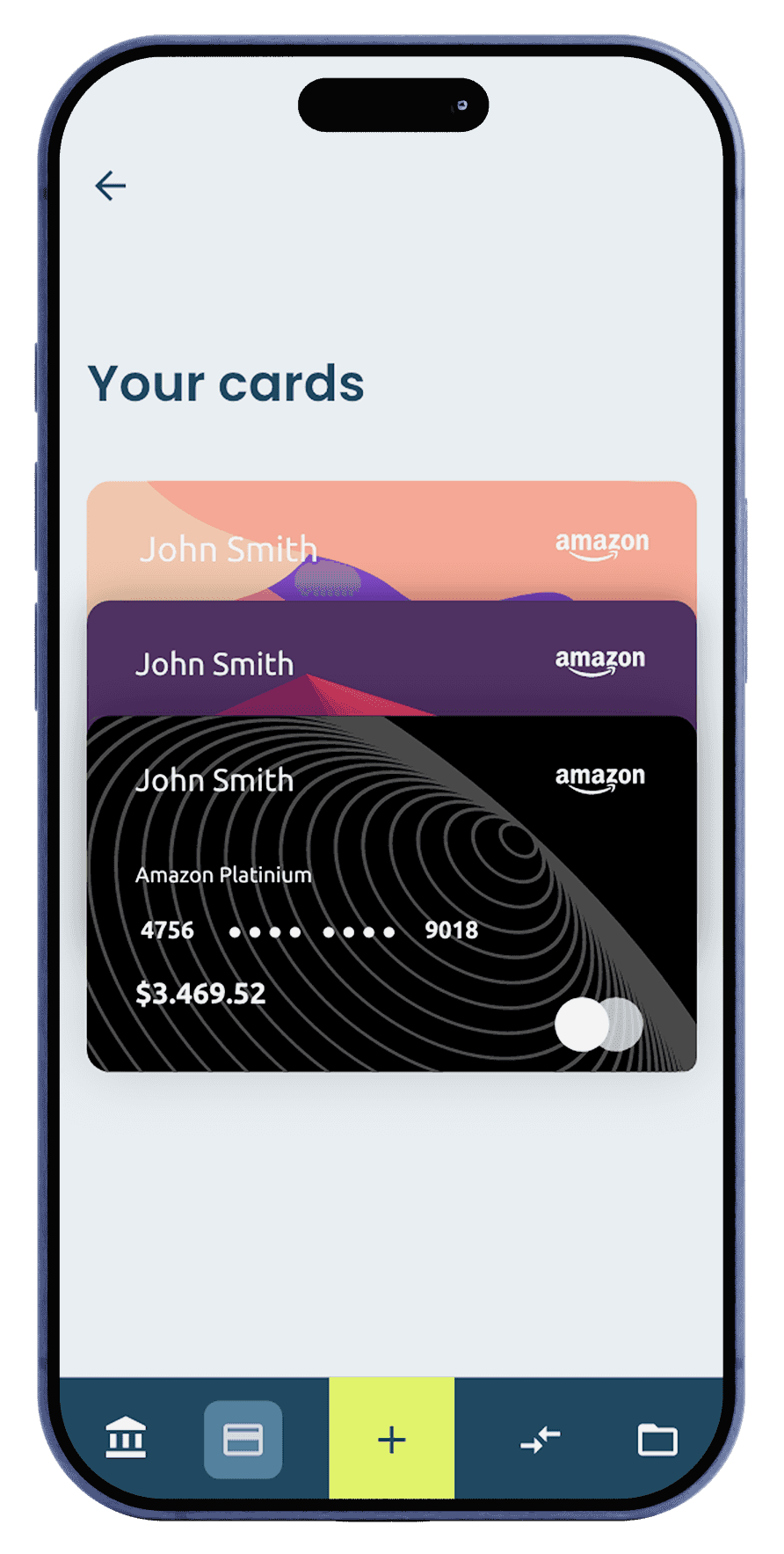
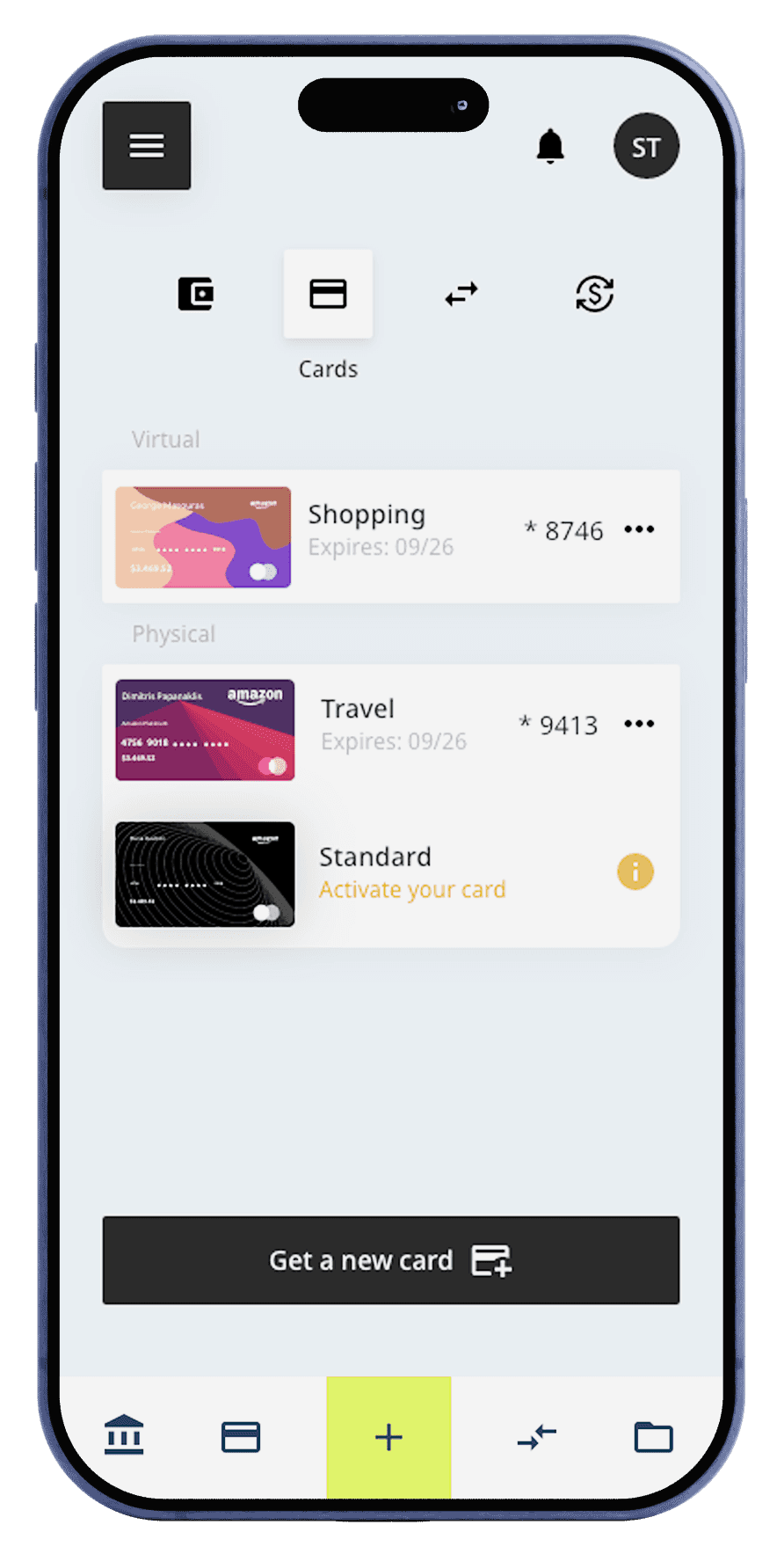
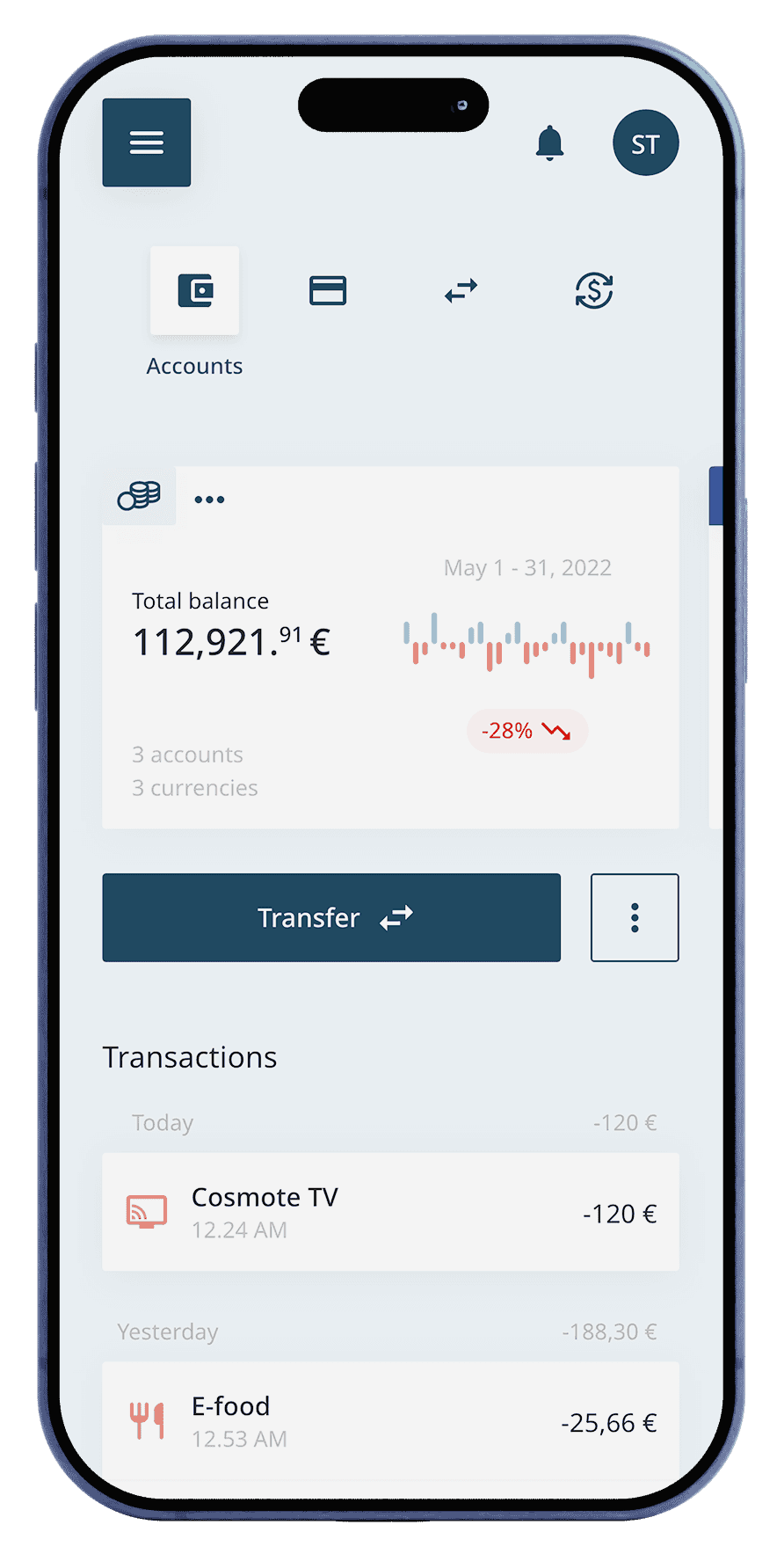
• Viewing balances and transactions • Managing cards and limits • Initiating transfers • Tracking spending Low-fidelity wireframes explored multiple dashboard structures, prioritization of financial data, and bottom navigation patterns. Emphasis was placed on reducing cognitive load while maintaining functional depth. The goal was not minimalism for aesthetic purposes, but structured simplification of financial information.
UX and interaction design
The UX architecture was built around task orientation. Users land on a consolidated financial overview, with immediate access to key actions such as transfers and card management. Financial data is presented through a clear typographic hierarchy and digestible components. Micro-interactions are subtle and purposeful, reinforcing system feedback without creating distraction.
Visual design
The visual language combines fintech modernity with institutional stability. Clean layouts, controlled use of color accents, and generous spacing create an interface that feels contemporary yet trustworthy.
Typography plays a central role in guiding attention, especially for balances, transaction states, and actionable elements. Visual noise was intentionally minimized to reinforce clarity and confidence.
Accessibility
Accessibility was embedded early in the design process. Contrast ratios, touch target sizing, focus states, and scalable typography were evaluated to ensure usability across different user abilities and device conditions. Authentication flows were designed with clarity and error tolerance in mind, reducing friction during sensitive financial interactions. The platform aligns with accessibility best practices to ensure inclusive financial access.
ennya@otenet.gr
Ennya
Made with ❤︎ by Stamatis Tsirdimos
© 2025. Stamatis Tsirdimos