AADE
It provides digital services for citizens and businesses, supporting a wide range of mandatory procedures through large-scale, data-intensive web platforms.
Context
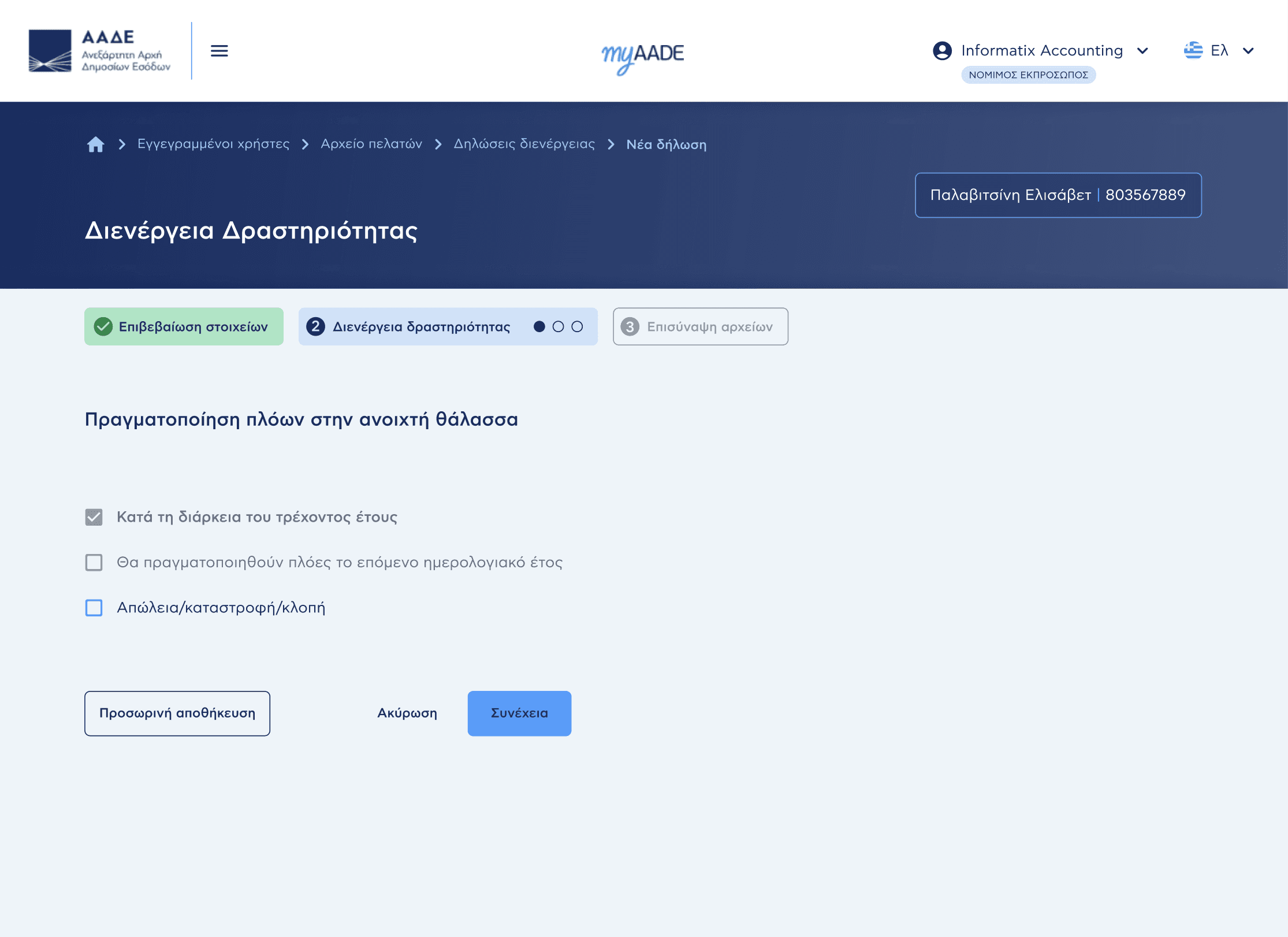
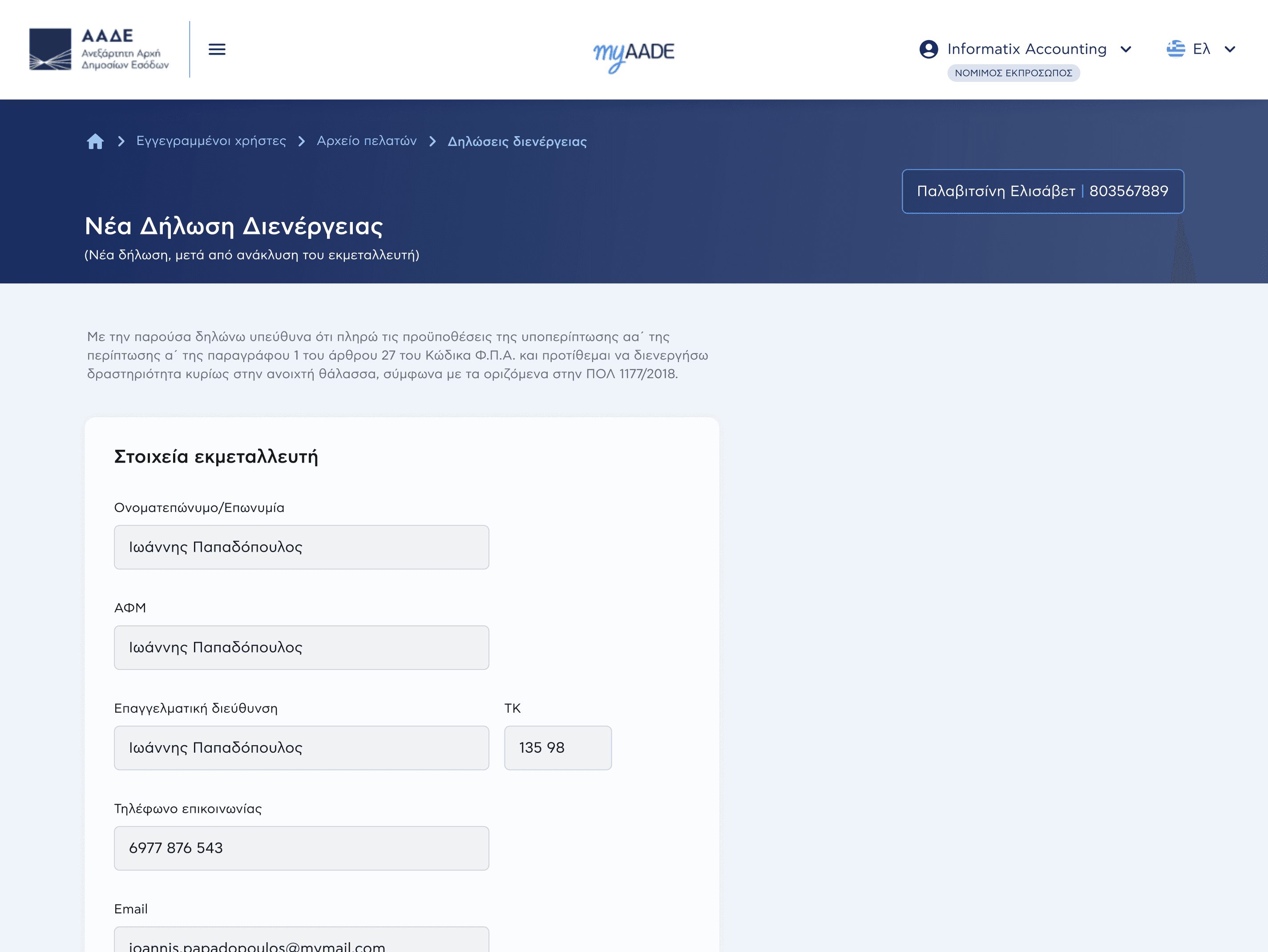
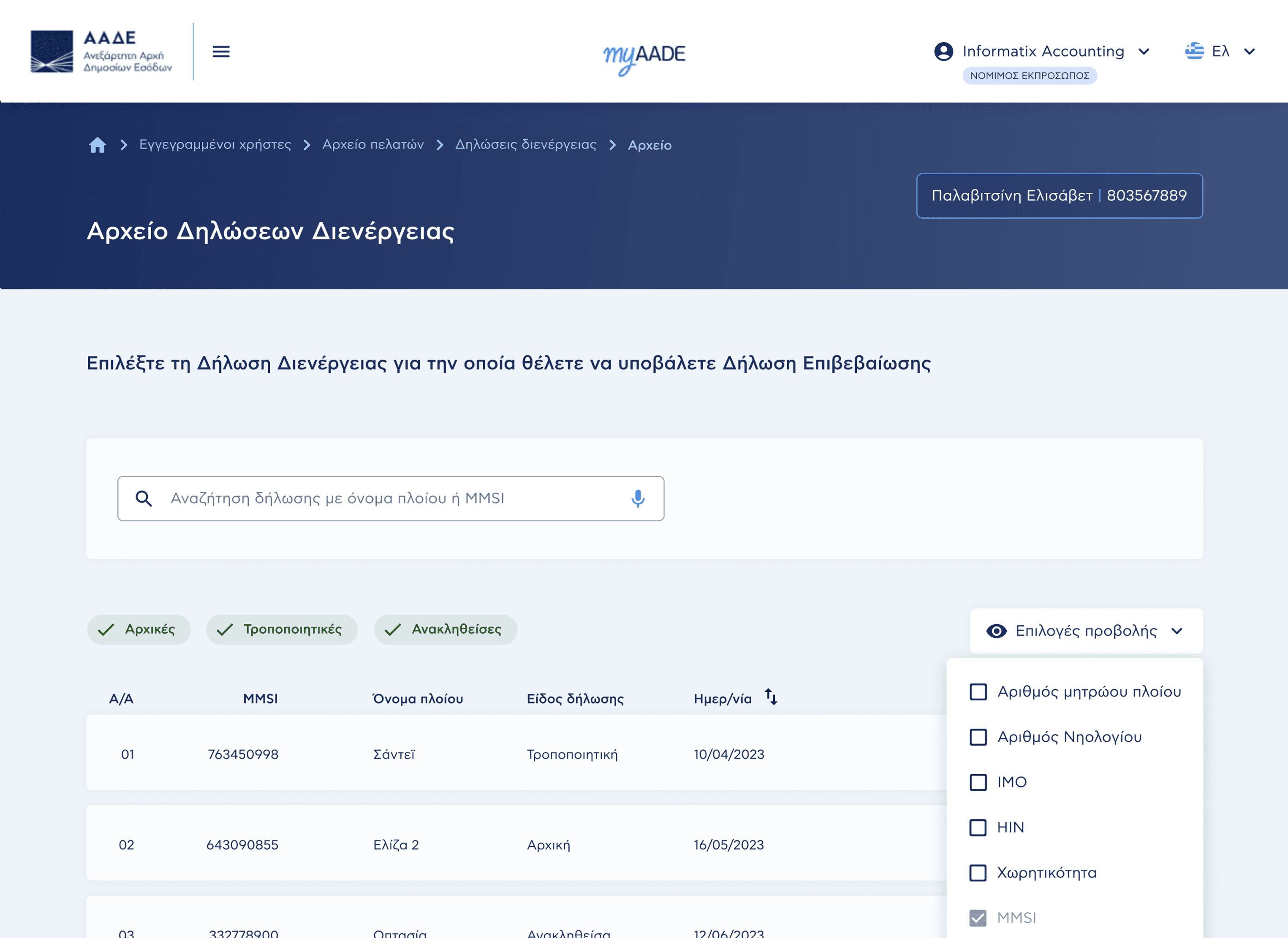
In this project, I worked on the design of form structures and form elements for AADE, focusing on how users interact with complex, data-heavy public services. Forms are a core interaction point in platforms like this, often determining whether users can successfully complete legally required procedures.
Why forms and accessibility matter
In public digital platforms, forms must be usable by everyone, regardless of ability, device, or level of digital literacy. Poorly designed or inaccessible forms can prevent users from completing essential tasks, leading to frustration, errors, and exclusion.

The solution
Accessibility was therefore a fundamental part of the design process, not an afterthought. The goal was to ensure that form interactions were clear, perceivable, operable, and understandable for all users, including those using assistive technologies.
It was embedded at the structural level—through semantic markup, keyboard operability, clear focus states, and inclusive interaction patterns—ensuring that critical public services remain usable by all.
The solution
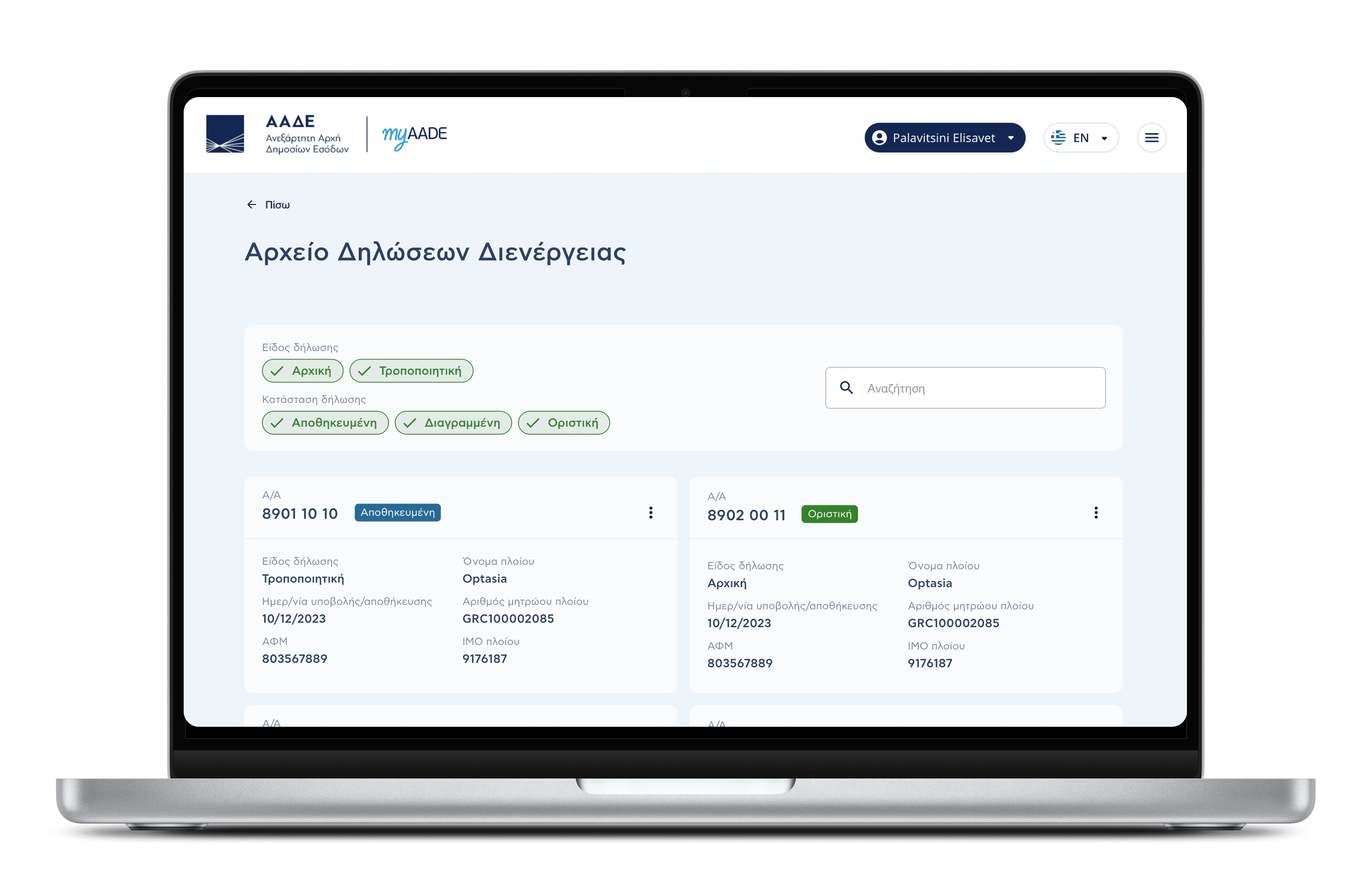
The solution established a structured, reusable form system designed to support complex, high-stakes public procedures. Form layouts were reorganized to reduce cognitive load and improve task clarity. Interaction patterns were standardized to ensure consistency across services, with clear validation, predictable behavior, and robust error handling.
ennya@otenet.gr
Ennya
Made with ❤︎ by Stamatis Tsirdimos
© 2025. Stamatis Tsirdimos